
Products That Actually Help You Get More Done
A few years ago, I believed productivity was all about motivation. I kept downloading new apps, creating complicated schedules, and watching endless productivity videos. The funny thing? I was spending more time organizing my work than actually doing it.
The biggest change came when I started using a few simple tools that removed distractions and made everyday tasks easier. Instead of relying on willpower, I relied on systems.
After testing countless gadgets and workspace accessories, I found a handful of Amazon products that genuinely helped me work smarter, stay focused, and save time. Some were surprisingly affordable, while others solved problems I didn’t even realize were slowing me down.
If you’re looking to improve your workflow in 2026, these productivity finds are worth considering.
Quick Comparison Table
| Product | Best For | Price Range |
|---|---|---|
| Kindle Paperwhite | Reading and learning | $$ |
| Logitech MX Master 3S | Faster computer work | $$$ |
| Rocketbook Smart Notebook | Digital note-taking | $$ |
| Anker PowerConf Speakerphone | Meetings and calls | $$$ |
| Standing Desk Converter | Better posture and energy | $$$ |
| Time Timer Visual Timer | Focus sessions | $$ |
| Apple AirPods Pro (2nd Gen) | Noise reduction and focus | $$$ |
| Anker 737 Power Bank | Working on the go | $$$ |
1. Kindle Paperwhite

I used to save articles and books on my phone with good intentions. The problem was that every reading session turned into checking notifications, social media, or random messages.
The Kindle Paperwhite changed that.
Because it’s designed for reading only, it removes most distractions. I found myself reading more books, learning new skills faster, and spending less time scrolling aimlessly.
Pros
- Excellent battery life
- Easy on the eyes
- Lightweight and portable
- No social media distractions
- Great for business and self-improvement books
Cons
- Limited compared to a tablet
- Not ideal for colorful content
Best Use Case
Perfect for professionals, students, freelancers, and anyone trying to read more consistently.
2. Logitech MX Master 3S
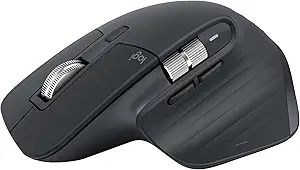
This mouse looks expensive at first glance, but after using one daily, it’s difficult to go back to a regular mouse.
The customizable buttons and ultra-fast scrolling save small amounts of time throughout the day. That may not sound important, but when you repeat actions hundreds of times daily, those seconds add up.
For tasks like:
- SEO work
- Graphic design
- Video editing
- Data entry
- Research
The productivity boost is noticeable.
Pros
- Comfortable for long work sessions
- Custom shortcuts
- Precise tracking
- Quiet clicks
Cons
- Premium price
- Slight learning curve
Best Use Case
Anyone who spends 5+ hours daily on a computer.
3. Rocketbook Smart Notebook

I still enjoy writing notes by hand. The problem is that paper notebooks become messy quickly.
The Rocketbook combines traditional note-taking with cloud storage.
You write normally, scan the page using the app, and upload your notes directly to services like Google Drive, Dropbox, or OneDrive.
One mistake I used to make was having ideas spread across multiple notebooks. Now everything stays organized digitally.
Pros
- Reusable pages
- Easy cloud backup
- Reduces paper waste
- Keeps notes organized
Cons
- Requires special pens
- Pages need occasional cleaning
Best Use Case
Students, marketers, entrepreneurs, and content creators.
4. Anker PowerConf Speakerphone

If you work remotely, attend client meetings, or manage virtual teams, audio quality matters more than most people realize.
I learned this after losing parts of important conversations because of poor microphones and background noise.
The Anker PowerConf offers clear voice pickup and helps make online meetings feel more professional.
Pros
- Excellent microphone quality
- Easy setup
- Portable
- Works with major meeting platforms
Cons
- May be unnecessary for solo workers
- Costs more than basic speakers
Best Use Case
Remote workers and business professionals.
5. Standing Desk Converter
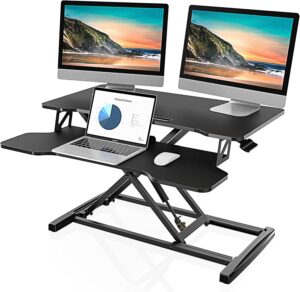
One unexpected productivity lesson I learned was that energy affects output more than motivation.
During long workdays, sitting continuously made me feel tired and sluggish. A standing desk converter allowed me to alternate between sitting and standing throughout the day.
The difference wasn’t dramatic on day one, but after several weeks, I noticed:
- Less fatigue
- Better focus
- Improved posture
- More movement during work hours
Pros
- Easy to install
- Improves ergonomics
- Encourages movement
Cons
- Takes desk space
- Requires adjustment period
Best Use Case
People who work at a desk for several hours daily.
6. Time Timer Visual Timer

This is one of the simplest tools on this list.
Instead of relying on a phone timer, which often leads to distractions, the Time Timer visually shows remaining time.
I use it during focused work sessions, especially when writing, studying, or completing client projects.
The visual countdown creates a sense of urgency without feeling stressful.
Pros
- Extremely simple
- Improves focus
- Great for Pomodoro sessions
- No notifications
Cons
- Single-purpose device
- Some users may prefer phone apps
Best Use Case
Deep work sessions and study periods.
7. Apple AirPods Pro (2nd Generation)

I originally bought these for convenience, but their noise-cancellation feature became the real productivity benefit.
Whether working in a coffee shop, shared office, or noisy home environment, reducing background noise helps maintain concentration.
One thing I noticed is that fewer interruptions mean less time needed to regain focus.
Pros
- Excellent noise cancellation
- Comfortable fit
- Great call quality
- Seamless Apple integration
Cons
- Expensive
- Battery eventually degrades over time
Best Use Case
Professionals working in noisy environments.
8. Anker 737 Power Bank

Running out of battery at the wrong moment can completely disrupt a productive day.
The Anker 737 Power Bank provides enough power to charge phones, tablets, and even some laptops.
This became especially useful during travel, client meetings, and long work sessions away from home.
Pros
- Large battery capacity
- Fast charging
- Reliable build quality
Cons
- Heavier than standard power banks
- Higher price point
Best Use Case
Remote workers, travelers, and digital nomads.
How to Choose the Right Productivity Tool
Not every productivity product works for everyone.
Follow these steps before buying:
Step 1: Identify Your Biggest Bottleneck
Ask yourself:
- Do I get distracted easily?
- Am I disorganized?
- Do I struggle with energy?
- Are meetings slowing me down?
Step 2: Solve One Problem First
Avoid buying multiple products at once.
Pick the single tool that addresses your biggest challenge.
Step 3: Test for 30 Days
Use the product consistently before judging results.
Many productivity improvements become noticeable only after forming new habits.
Common Productivity Mistakes People Make
Buying Too Many Productivity Tools
A common trap is collecting gadgets instead of improving systems.
Ignoring Ergonomics
Poor posture and discomfort reduce productivity more than most people realize.
Chasing Motivation
Tools work best when they support habits rather than replace them.
Using Your Phone for Everything
Phones are useful, but they’re also one of the biggest sources of distraction.
Dedicated tools often outperform apps because they remove temptation.
Frequently Asked Questions
What is the best Amazon productivity product overall?
For most people, the Logitech MX Master 3S offers the biggest daily productivity improvement because it’s used throughout the workday.
Are expensive productivity gadgets worth it?
Only if they solve a real problem. A $20 tool that gets used daily is often more valuable than a $300 device that sits unused.
Which product is best for students?
The Rocketbook Smart Notebook and Kindle Paperwhite are excellent choices for studying and organizing information.
What helps improve focus the most?
Noise-canceling earbuds, a visual timer, and reducing phone distractions usually provide the biggest improvements.
Can productivity tools replace good habits?
No. They support good habits but cannot replace consistent effort and discipline.
Final Recommendation
If I were starting from scratch in 2026, I wouldn’t buy everything on this list.
I would begin with three products:
- Kindle Paperwhite for learning
- Logitech MX Master 3S for daily computer work
- Time Timer for focused work sessions
Together, these three tools address the biggest productivity challenges most people face: distraction, inefficiency, and poor focus.
The best productivity purchase isn’t necessarily the most expensive one. It’s the tool that removes friction from something you already do every day. When that happens, getting work done feels easier, and that’s where real productivity gains begin.